
Urban Forests
Forestry
Like electricity and water, an urban tree canopy is part of a community's infrastructure. Well-managed urban forests provide benefits such as energy conservation, economic vitality, improved air quality, reduced stormwater runoff, carbon sequestration and enhanced beautification.
Forest research is imperative to answer a diverse set of questions related to sustaining and growing urban trees, understanding the effects of tree canopy on urban heat islands, human health, stormwater runoff, water quality and developing management practices.
Urban Forests Studies
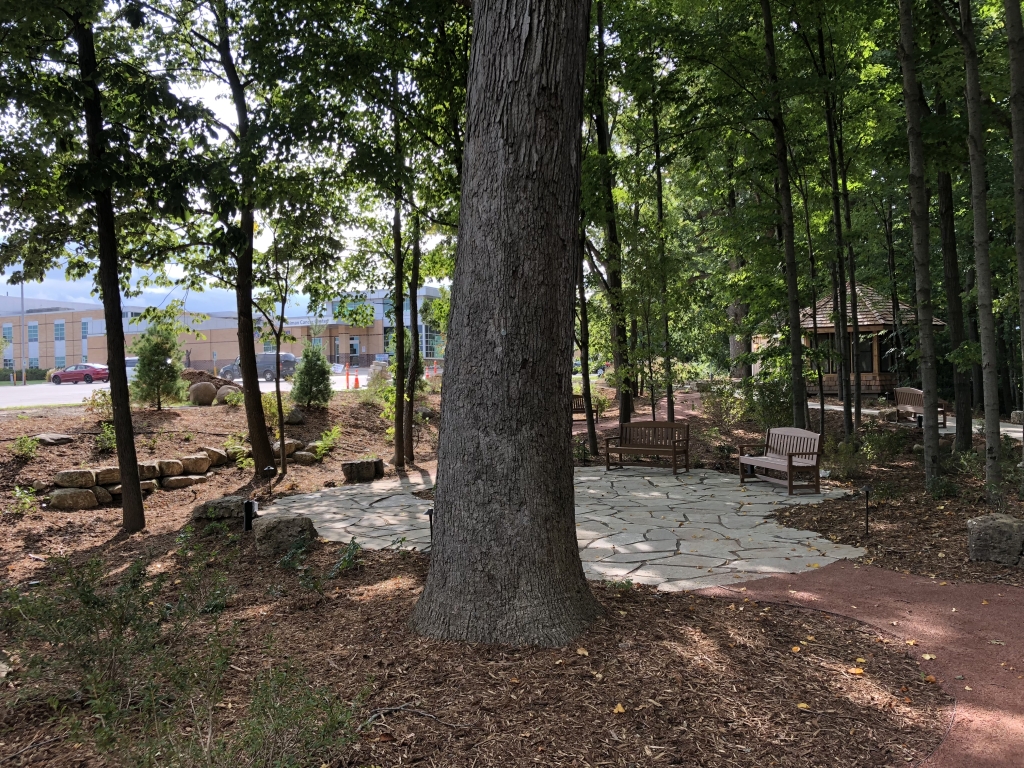
Havenwoods Canopy Monitoring
Weather and water quality sensors installed in and around Havenwoods State Forest in Milwaukee are measuring the relative impact of tree canopy, prairie, turfgrass and impervious surfaces on local heat-islands. Air quality sensors are assessing the ability of the forest canopy to remove particulate matter, and water quality and flow sensors installed in Lincoln Creek will assess the impact of landcover on reducing streamflow peaks and improving water quality. Data collected from these sensors will establish long-term monitoring data which will be used to detect changes in weather, air and water quality as a recently planted forest grows.
Quantifying the Cooling Effect of Urban Trees in Different Settings - Research Brief
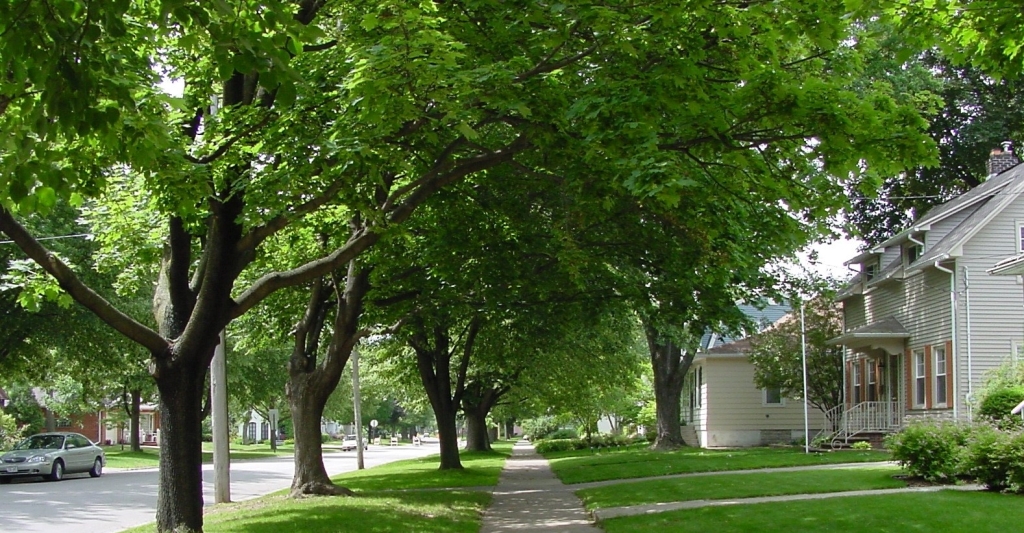
Urban Heat Island Detection
Urban heat islands are areas within cities that experience significantly higher temperatures negatively impacting the community. This research project is assessing the relationship between urban forest canopy density and urban temperatures using remote sensing data. The goal of this project is to quantify any cooling due to canopy evapotranspiration and provide urban foresters with valuable information to strategically manage forests to maximize cooling benefits.
Mapping the Location and Causes of Urban Heat Islands - Research Brief