
Forest Genetics
Forestry
The study of forest genetics investigates how genes are passed from parents to offspring and how genetics impact individual and species success in response to environmental conditions. Understanding forest genetics allows us to cultivate trees that are well-adapted and resilient to Wisconsin’s changing climate, resistant to native or introduced pests and pathogens and exhibit increased productivity for use in forest product development and production. Research areas include forest productivity, insect and disease resistance breeding, climate adaption and genetic conservation.
Forest Genetics Studies
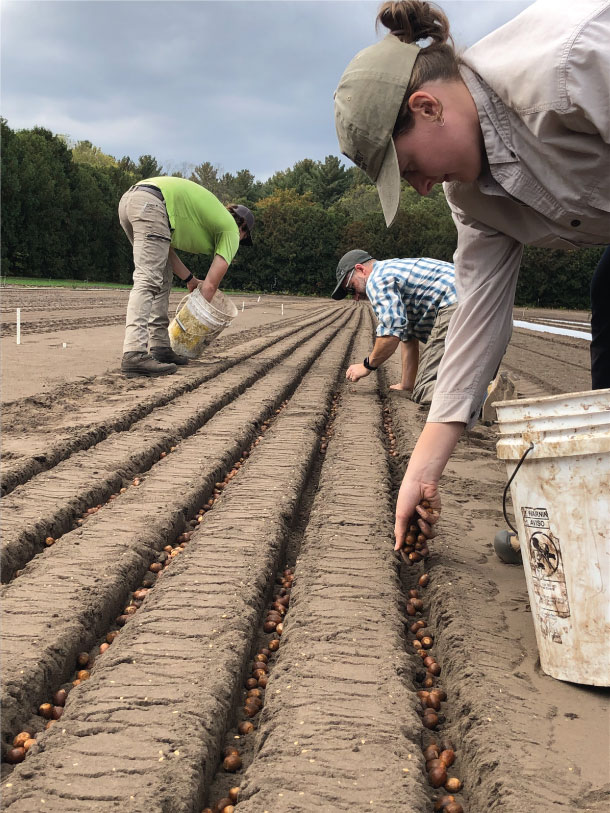
Desired Regeneration Through Assisted Migration (DREAM)
Rising temperatures and shifting precipitation patterns resulting from climate change threatens forest health, structure, composition and regeneration success. Current projections indicate these changes will outpace species’ ability to migrate and adapt to more favorable conditions, challenging resource managers as they decide what species to invest resources into during reforestation and restoration projects.
DREAM is an international collaborative study investigating forest assisted migration. The goal of this study is to identify which species and management techniques are most likely to be successful, providing valuable knowledge to land managers as they manage for forests that are more resilient to future climate conditions.
Desired Regeneration Through Assisted Migration (DREAM)
Desired Regeneration Through Assisted Migration - Research Brief
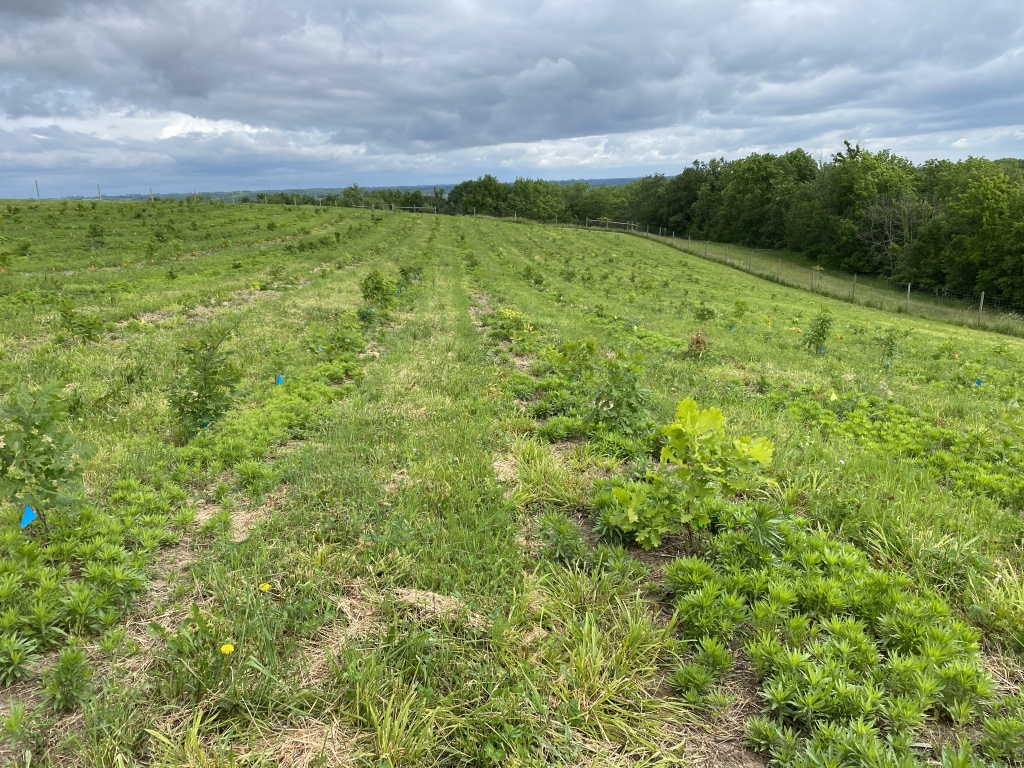
White Oak Initiative
White Oak Provenance Study – Natural regeneration of white oak has proven challenging across Wisconsin and other parts of its range. To investigate if there is a climate related variable at play and determine if more distant populations may be better adapted to current and future predicted climates than local populations, two progeny tests have been planted in western Wisconsin. This study will identify if families from more distant part of the range of white oak show greater survival and growth rates. If successful, it may be possible to increase the success of white oak reforestation efforts in Wisconsin by including seed from more distant populations.
White Oak Progeny Test: Are Local Seed Sources Better? - Research Brief
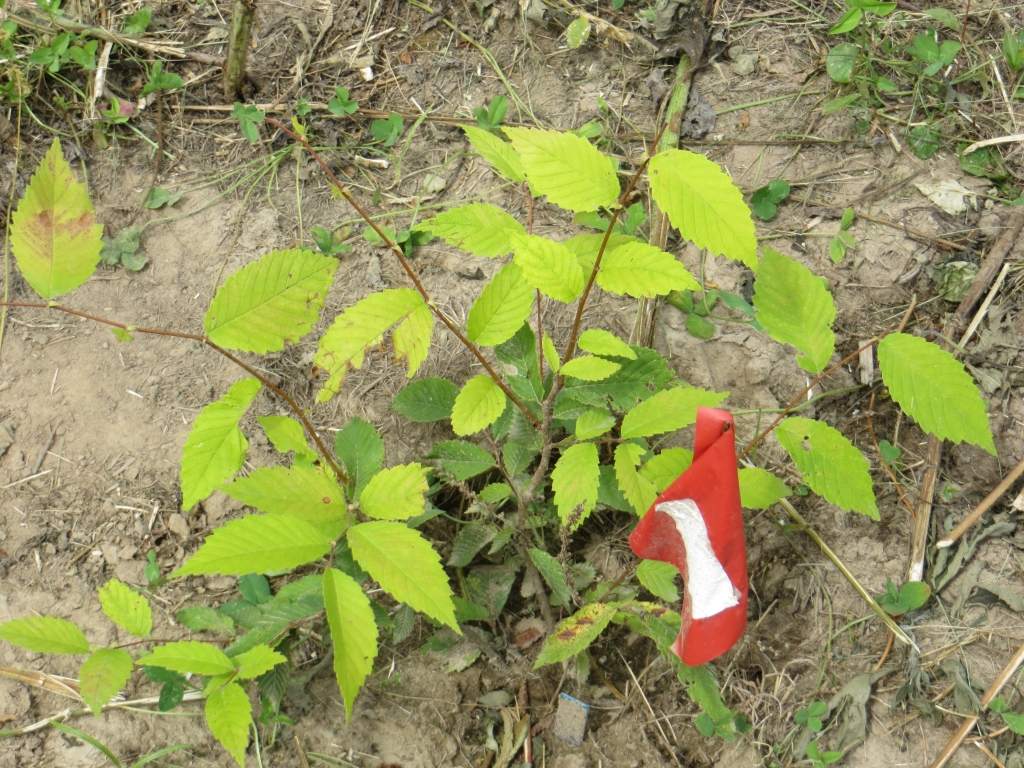
The Search for Dutch Elm Disease Resistant American Elm
American elm was once a critical component of hardwood forests in Wisconsin. Over the last 80 years, an invasive fungal pathogen, Dutch elm disease (DED) has caused the mortality of almost all mature American elm in the state. However, some lingering trees remain which may be resistant to DED could hold the key to re-establishing American elm and restoring it to its former ecological and cultural importance in the state. The DNR, the U.S. Forest Service, and the United States Army Corps of Engineers have collected, grafted, and vegetatively propagated 30 potential DED resistant trees from the Mississippi River Floodplain to establish a DED resistance screening trial. As resistant individuals are identified, they will serve as the seed source for American elm seedlings produced through the Wisconsin State Nursery System to be used in regeneration efforts throughout the state.
The Search for Dutch Elm Disease Resistant American Elm - Research Brief