
Forest Health
Forestry
When considering what constitutes a healthy forest, it is important to look at resilience or the ability of a system to retain and regain form, function and processes following a disturbance. One of the most tangible threats to this ability often comes in the form of invasive species or organisms that can harm ecologic and/or economic values. These threats are compounded with other land use changes and changes in the environment generally. Thus, maintaining healthy forests requires continual monitoring, fact finding and modifications to management. In short, the purpose of forest health research is to advance our understanding of the threats to forests, and to develop methods to meet these threats to keep our forests healthy.
Invasive Species and Pathogen Studies
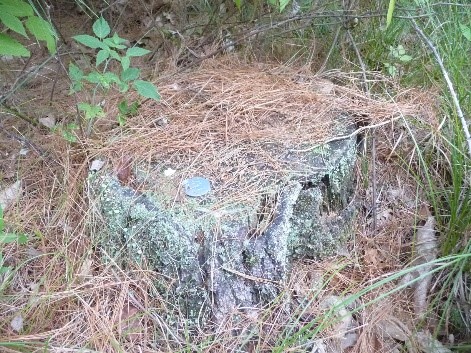
Persistence of Oak Wilt in Clearcut Stands
Oak management commonly includes clearcut harvesting, particularly within lower quality sites where sprouting is a viable regeneration method, but also where oak wilt is most problematic. It is not known if clearcutting, where oak is a desirable species to regenerate and propagate, could exacerbate oak wilt spread and mortality or serve as an effective control. This project evaluated long term (10-year) persistence of oak wilt, as well as stump survival and vigor over time to help fill this need.
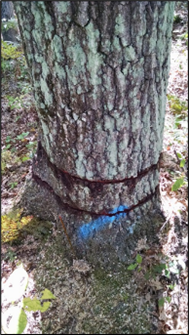
Evaluating Effectiveness of Girdle-Herbicide Containment of Below-Ground Spread of Oak Wilt
Oak wilt is a serious threat to oak forests, especially in areas where traditional containment methods are not feasible. This study examines an alternative approach using girdling and herbicide treatment to contain the underground spread of the oak wilt pathogen in Wisconsin.
Results provide evidence that early intervention using girdle-herbicide containment can help manage oak wilt in regions where plowing is impractical. This offers forest managers a viable alternative to traditional trenching methods and highlights the importance of rapid response to new infections.
Evaluating Effectiveness of Girdle-Herbicide Containment of Below-Ground Spread of Oak Wilt
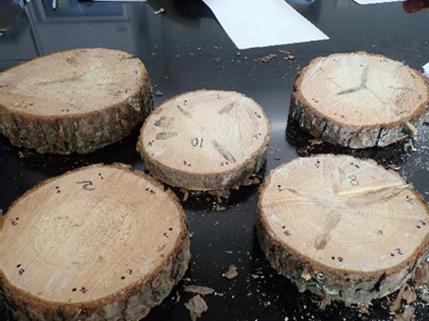
Susceptibility of Winter Cut Red Pine Stumps to Heterobasidion Root Disease (HRD) Infection
Heterobasidion root disease (HRD) is a damaging fungal infection that spreads through freshly cut conifer stumps. Winter harvesting was thought to reduce the risk of spread due to colder conditions and lower spore activity, and although stump protectants are an effective means of control, they are not practical for treatment during subfreezing temperatures.
This study evaluated the potential for older cut stump infection following snowmelt in the spring by inoculating the pathogen on discs. Findings suggest that further investigation be warranted on potential for winter cut conifer HRD infection.
Susceptibility of Winter Cut Red Pine Stumps to Heterobasidion Root Disease (HRD) Infection
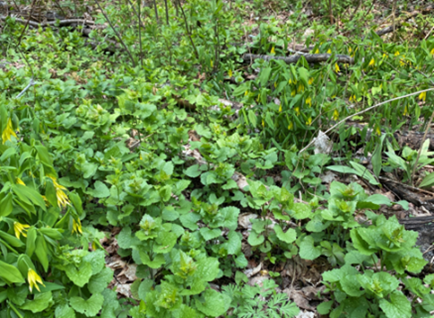
Garlic Mustard Invasions: Is the Cure Worse than the Disease?
Garlic mustard is an invasive plant that releases chemicals into the soil, negatively impacting mycorrhizal fungi and other plant species. Following a major blowdown event in Langlade County, this study began to assess whether controlling garlic mustard with herbicides causes more harm than the invasion itself.
The results of this study will help land managers understand the efficacy and side-effects of using pesticides to control garlic mustard.
Garlic Mustard Allelopathy: Is the Cure Worse than the Disease? - Research Brief
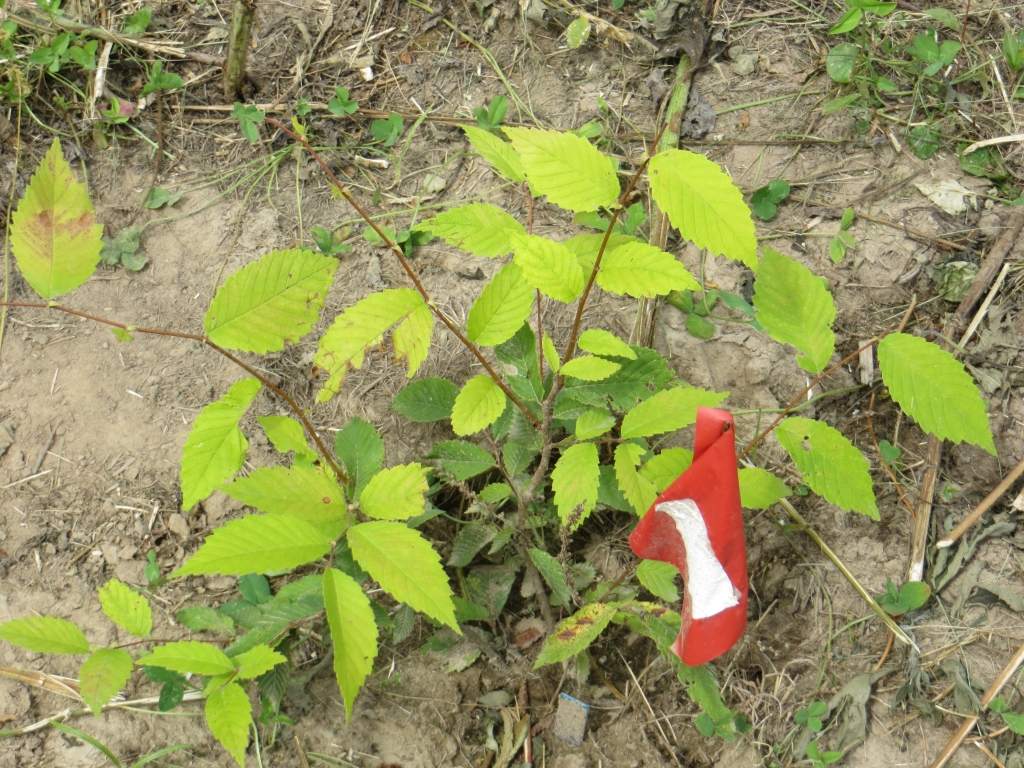
The Search for Dutch Elm Disease Resistant American Elm
American elm was once a critical component of hardwood forests in Wisconsin. Over the last 80 years, an invasive fungal pathogen, Dutch elm disease (DED) has caused the mortality of almost all mature American elm in the state. However, some lingering trees remain which may be resistant to DED could hold the key to re-establishing American elm and restoring it to its former ecological and cultural importance in the state. The DNR, the U.S. Forest Service, and the United States Army Corps of Engineers have collected, grafted, and vegetatively propagated 30 potential DED resistant trees from the Mississippi River Floodplain to establish a DED resistance screening trial. As resistant individuals are identified, they will serve as the seed source for American elm seedlings produced through the Wisconsin State Nursery System to be used in regeneration efforts throughout the state.
The Search for Dutch Elm Resistant American Elm - Research Brief