
Climate and Forests
Forestry
Forests are a natural carbon sink, absorbing 10-15% of our nation's greenhouse gasses. Climate change is bringing new challenges to the health and sustainability of our forests. Drought, warmer winters, insects and disease and shifts in the growing range of species place increasing stress on trees. New research is looking at management solutions to help forest landowners adapt to a changing climate.
Climate Studies
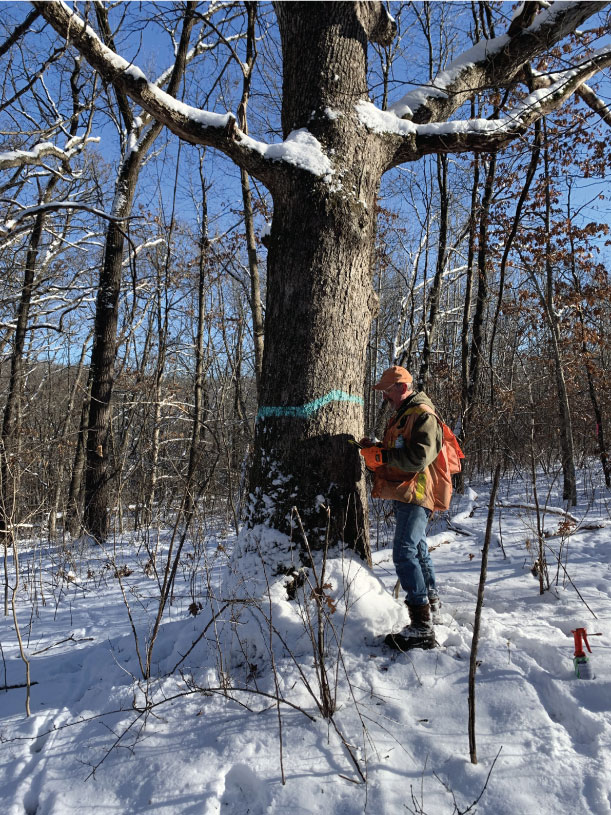
Driftless Adaptive Silviculture for Climate Change (ASCC)
Climate-adapted forest management plays a pivotal role in the health and sustainability of forests in the face of climate change. ASSC is comprised of a network of sites in different forest ecosystems throughout the U.S. and Canada studying long-term ecosystem responses to a range of forest management climate adaptation strategies, including resistance, resilience and transition.
Driftless ASCC is a multi-state collaborative focused on the oak-hickory forests of the Driftless Area. Insights gained from this study will help resource managers make climate-informed decisions, providing practical guidance to support long-term forest health and resilience in a changing climate.
Driftless Adaptive Silviculture for Climate Change (ASCC)
Adaptive Silviculture for Climate Change in the Driftless Area - Research Brief
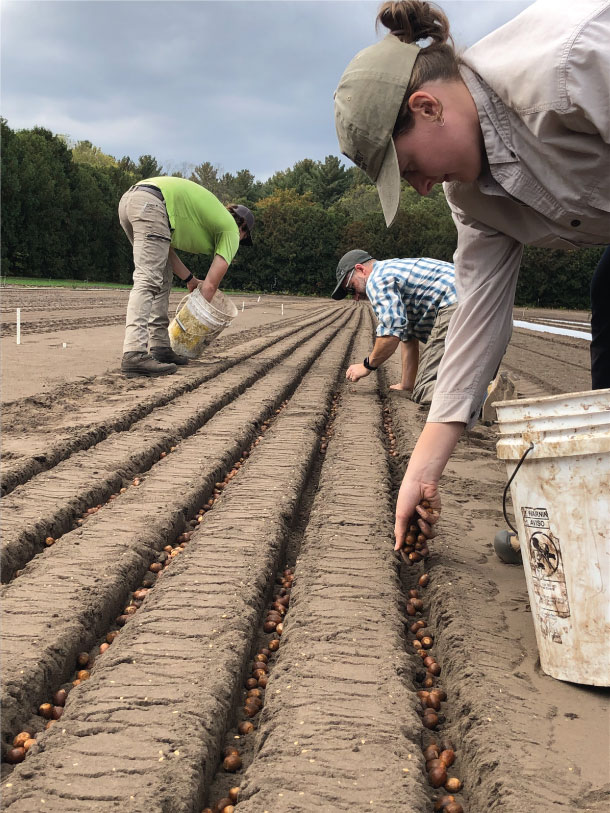
Desired Regeneration Through Assisted Migration (DREAM)
Rising temperatures and shifting precipitation patterns resulting from climate change threatens forest health, structure, composition and regeneration success. Current projections indicate these changes will outpace species’ ability to migrate and adapt to more favorable conditions, challenging resource managers as they decide what species to invest resources into during reforestation and restoration projects.
DREAM is an international collaborative study investigating forest assisted migration. The goal of this study is to identify which species and management techniques are most likely to be successful, providing valuable knowledge to land managers as they manage for forests that are more resilient to future climate conditions.
Desired Regeneration Through Assisted Migration (DREAM)
DREAM: Desired Regeneration Through Assisted Migration - Research Brief
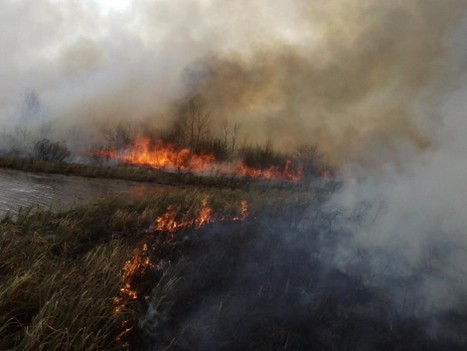
Climatic Controls of Fire Activity in the Red Pine Forests of Eastern North America
Understanding the influence of large-scale climatic patterns on historic fire regimes can help improve the understanding of future fire dynamics in the region and shape ecological effects of future fires. This study reveals a clear climate signal embedded within the fire history reconstruction of the region over the past centuries. This knowledge can inform and improve future management decisions.
Climatic Controls of Fire Activity in the Red Pine Forests of Eastern North America