
Silviculture
Silviculture is the art and science of controlling the establishment, composition, structure and growth of forests and woodlands. Silvicultural treatments designed for specific forest conditions and landowner goals form the basis of sustainable forest management and may involve a wide array of vegetation management techniques, such as regeneration harvests, thinning, tree planting, invasive species control, prescribed fire and more. Forest practitioners use these techniques to achieve a variety of landowner goals that range from wildlife habitat to timber to natural community restoration.
We are continually learning how to better manage our forests, building upon a legacy of silviculture research. Finding the most effective silvicultural methods has never been more important as environmental conditions and societal demands change at a rapid pace. Adopting cutting-edge silvicultural methods will be the best defense to keep Wisconsin’s forests resilient.
Silviculture Studies
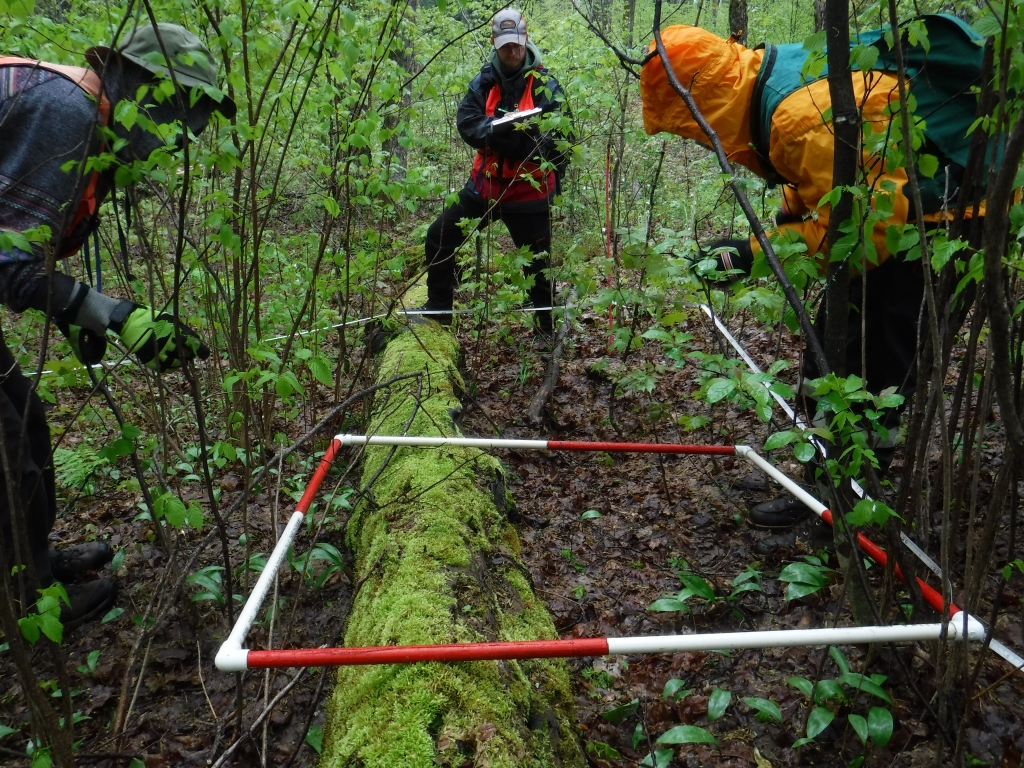
Managed Old-Growth Silvicultural Study (MOSS)
MOSS is an ambitious 50-year large-scale study begun in 2007 that is developing forest management techniques to accelerate the growth of complex, old-growth characteristics in second-growth northern hardwood forests, while maintaining sustainable timber production. Experimenting with different management strategies, the study is seeking to provide forest managers with practical, scientifically backed methods to improve biodiversity and forest health in northern Wisconsin's forests.
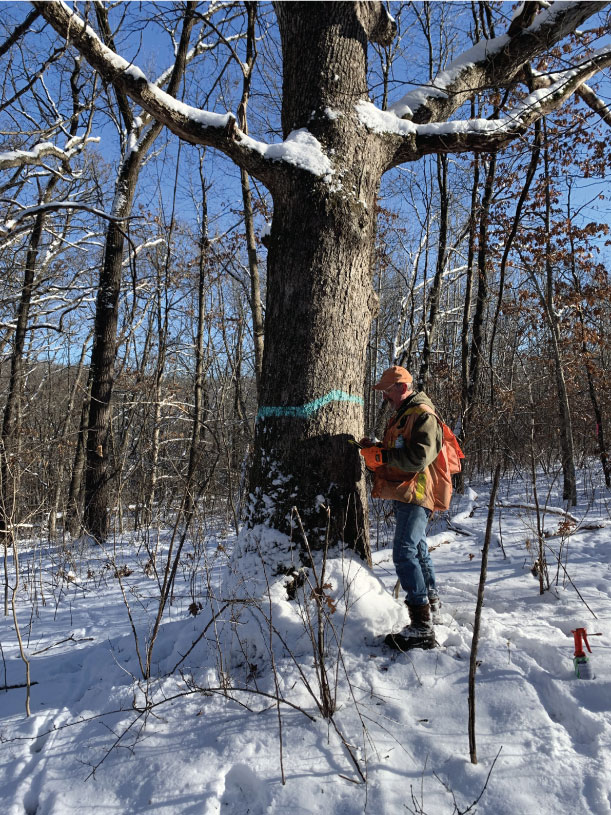
Driftless Adaptive Silviculture For Climate Change (ASCC)
Climate-adapted forest management plays a pivotal role in the health and sustainability of forests in the face of climate change. ASSC is comprised of a network of sites in different forest ecosystems throughout the U.S. and Canada studying long-term ecosystem responses to a range of forest management climate adaptation strategies, including resistance, resilience and transition.
Driftless ASCC is a multi-state collaborative focused on the oak-hickory forests of the Driftless Area. Insights gained from this study will help resource managers make climate-informed decisions, providing practical guidance to support long-term forest health and resilience in a changing climate.
Driftless Adaptive Silviculture For Climate Change (ASCC)
Adaptive Silviculture for Climate Change in the Driftless Area - Research Brief
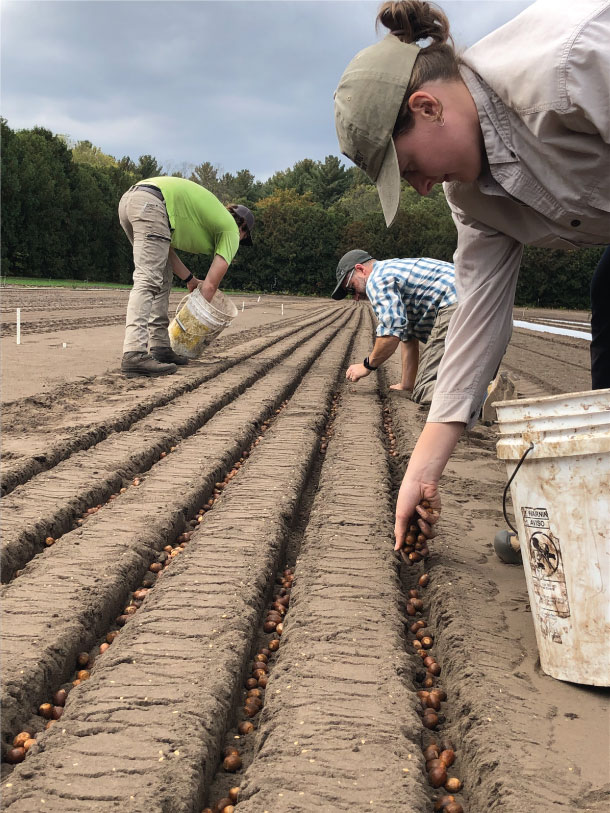
Desired Regeneration Through Assisted Migration (DREAM)
Desired Regeneration Through Assisted Migration (DREAM) – Rising temperatures and shifting precipitation patterns resulting from climate change threatens forest health, structure, composition and regeneration success. Current projections indicate these changes will outpace species’ ability to migrate and adapt to more favorable conditions, challenging resource managers as they decide what species to invest resources into during reforestation and restoration projects.
DREAM is an international collaborative study investigating forest assisted migration. The goal of this study is to identify which species and management techniques are most likely to be successful, providing valuable knowledge to land managers as they manage for forests that are more resilient to future climate conditions.
Desired Regeneration Through Assisted Migration (DREAM)
DREAM: Desired Regeneration Through Assisted Migration - Research Brief
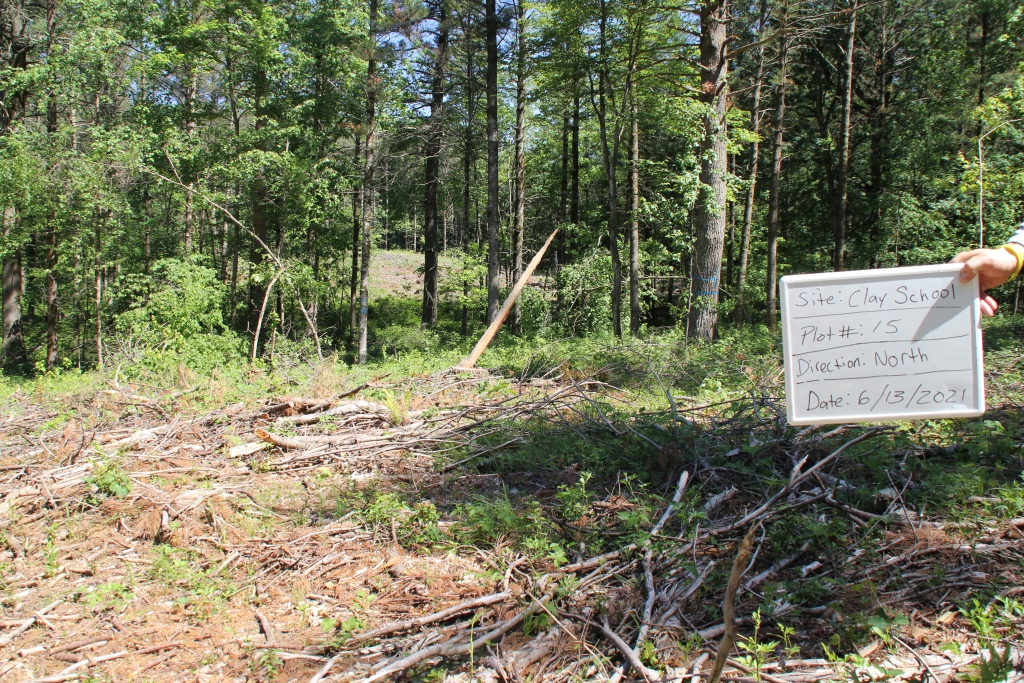
Uneven-Aged White Pine Study
Forest managers are increasingly interested in evaluating the effectiveness of uneven-aged silvicultural systems for managing white pine forests. Traditionally, white pine has been managed using even-aged methods such as shelterwood and seed-tree systems, with limited guidance available for alternative approaches. This study examines the influence of gap size on white pine regeneration – specifically stocking density, height growth, and tree health – over a 10-year period within a group and patch selection framework.
Gap Size Effect On White Pine Regeneration Under Uneven-Aged Management - Research Brief
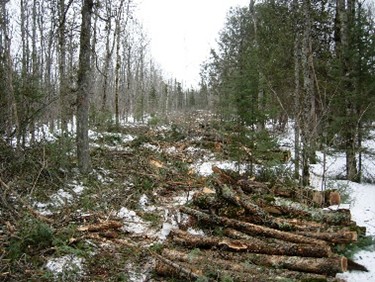
Evaluating Adaptive Management Options for Black Ash Forests in the Face of Emerald Ash Borer Invasion
The emerald ash borer (EAB) threatens the future of black ash wetlands, which are important to the hydrologic and ecological health of the Great Lakes region's forests. As black ash often dominates wetland forests, its loss can shift ecosystems toward marsh-like, non-forested conditions.
This review compiles research from multiple adaptive silvicultural studies and field trials across Minnesota, Michigan and Wisconsin. It evaluates preemptive harvest strategies and the planting of replacement species like swamp white oak and tamarack to retain forested conditions post-EAB invasion.
This study guides resource managers in building forest resilience before EAB arrival, emphasizing the importance of site-specific approaches to preserve wetland function, maintain tree canopy and reduce long-term ecological disruption. This is a collaborative study with the University of Vermont, U.S. Forest Service and Minnesota Forest Resources Council.
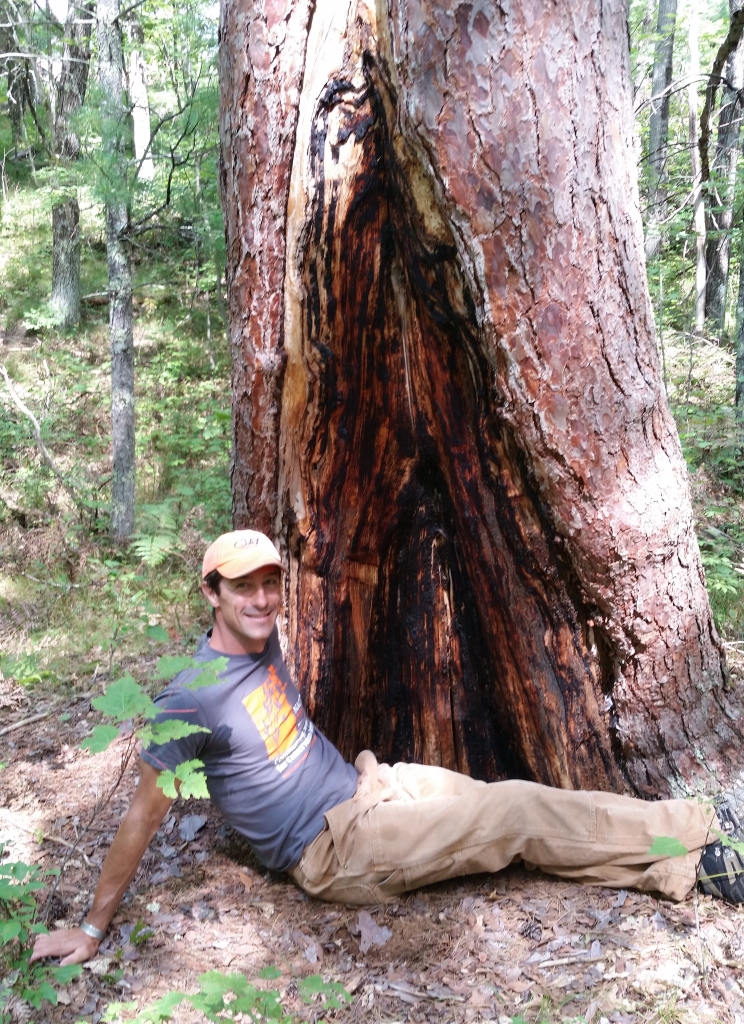
Northern Pine Management Initiative (NPMI)
Natural origin red pine stands are relatively uncommon across the Lake States and where they do exist, they are often dense stands with little regeneration and elevated fire risk. This project aims to use baseline data to inform a series of trials in northern Wisconsin pine forests, demonstrating alternative silviculture treatments that mimic natural disturbance patterns found in old-growth pine. The study will evaluate the impact of those treatments on wildfire behavior, fire risk, and pine regeneration over time.