
Social Science and Economic Analysis
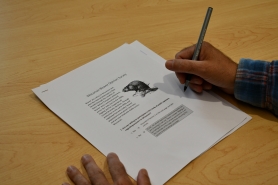
Some of the most challenging decisions in natural resources management stem from the complex relationship between people and the environment. Social science and economic research staff at the DNR use a range of methods to conduct economic evaluations of Wisconsin's natural resources and to understand the attitudes, beliefs, opinions, preferences and experiences of different stakeholders. This research provides DNR managers and policymakers with the critical insights needed to support well-informed decisions for Wisconsin's natural resources management and environmental protection.
Research Highlights
Explore the latest research highlights from the DNR's social science and economic research team across a variety of natural resources topics.
Ongoing Projects
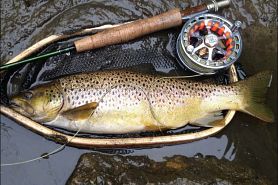
Trout Angler Diary Survey
Goal: Quantify angler effort, catch rates and harvest when fishing for trout in Wisconsin
Project brief
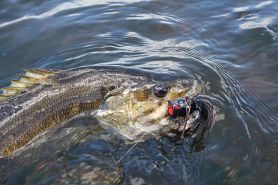
Bass Angler Survey
Goal: Survey Wisconsin bass anglers on fishing experiences and management preferences to inform the species management plan
Project brief

Great Lakes Salmonid Angler Survey
Goal: Survey Wisconsin's Great Lakes salmon and trout anglers on their fishing experiences and management opinions regarding the Lake Michigan fishery
Project brief
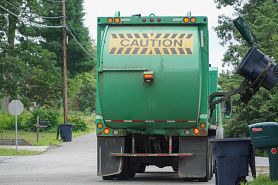
Economic Impacts of Closed and Abandoned Waste Sites in Wisconsin
Goal: Estimate how closed, abandoned or improperly managed waste sites affect nearby communities and property values
Project brief
Recently Completed Projects
Environmental Management
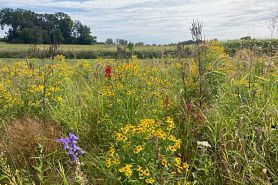
Natural Scenic Beauty of Wisconsin Wetlands
Using photographs collected by DNR field staff, social scientists developed a model that assessed the diversity of perceptions on the natural scenic beauty of wetlands.
Results summary
Economic Values & Impacts
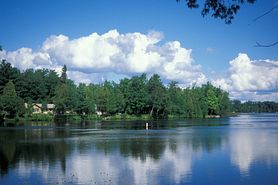
Economic Effects of Lake-Level Variation on Waterfront Property Values
The study examined how seasonal changes in lake levels were reflected in waterfront property values and found that greater than expected seasonal deviations in lake water levels reduced waterfront property values.
Results summary
Research article available online
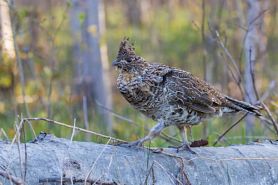
Ruffed Grouse Hunting Participation, Expenditures and Economic Contributions
This study used data collected during a survey of Wisconsin's ruffed grouse hunters during 2022 to examine factors influencing hunting participation and expenditures.
Results summary
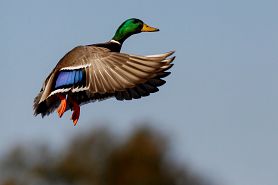
Structural Transformation in Waterfowl Hunting: Long-term evidence from Wisconsin
This study used data collected from surveys of Wisconsin's waterfowl hunters to examine long-term changes in hunting participation rates, hunting effort, expenditures and harvest success.
Results summary
Parks & Outdoor Recreation
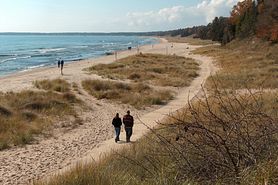
Statewide Comprehensive Outdoor Recreation Plan (SCORP)
Social scientists conducted a series of focus groups and a statewide survey to understand motivations and barriers to outdoor recreation. About 88% of Wisconsinites participated in at least one outdoor recreational activity.
Results summary
2025-2030 SCORP Plan
Wildlife Management
Opinion on Beavers and Beaver Management
Social scientists conducted the first random sample survey of Wisconsinites about beaver management during 2024 in advance of an update to Wisconsin's Beaver Management Plan. In general, Wisconsinites held favorable attitudes towards beavers and placed highest importance on education-focused management priorities.
Results summary
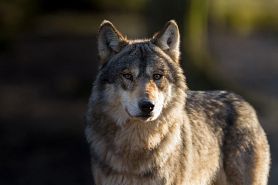
Opinion on Wolves and Wolf Management
Social scientists surveyed Wisconsinites about their opinions on wolves and wolf management during 2022. Most held favorable attitudes towards wolves and would prefer the population abundance to remain the same.
Results summary
Link to full technical report
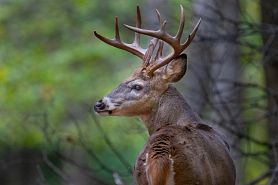
Deer Hunter Harvest Selectivity
Social scientists recruited hunters into a diary survey effort to understand hunters' harvesting decisions and experiences. Daily harvest was constrained by hunters' harvest selectivity (i.e., decision to take a shot).
Results summary
Antlered buck selectivity publication
Antlerless deer selectivity publication