
Training, surveys and resources
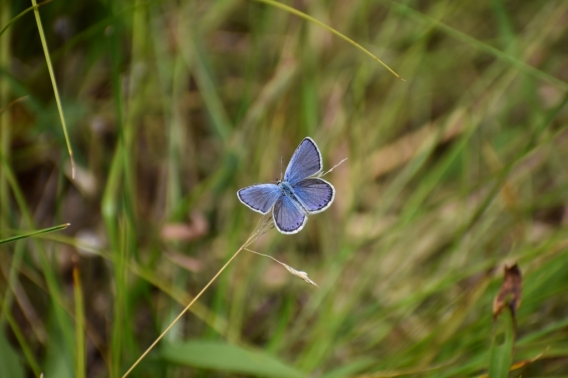
Karner blue butterfly
Resources for HCP partners
Annual report
The Karner HCP Annual Reporting form is now available for HCP Partners. The annual report is due before March 1, 2026, for 2025 activities. Partner Agreements require that those who receive coverage under the Federal Incidental Take Permit for KBB submit a report detailing the activities (e.g., management, ground disturbance work, timber sales, prescribed burns, mowing, surveys, land transfers, outreach/education) that they engaged in for the year.
HCP guide and protocols
The Karner Blue Butterfly Habitat Conservation Plan User Guide is the single source of implementation guidelines and protocols for conserving habitat for the Karner Blue butterfly, a federally listed endangered species in Wisconsin. The user's guide contains the management guidelines and protocols as well as the monitoring protocols used by plan partners when conducting activities in the high potential range of Karner Blue in Wisconsin.
Download the complete HCP User Guide [PDF].
Guidelines
- Emergency Management
- Forestry Management
- Conservation Management
- Construction Management
- Corridor Management
- Recreation Management
- Limited Partner
Management protocols
- Cable Plowing
- KBB Egg Salvage
- Habitat Replacement Plan Template and Instructions
- Habitat Restoration
- Lupine Survey Protocols
- Mechanical Site Prep
- Minor Construction Protocol
- Monitoring Protocols
- Mowing and Brushing
- Pesticide Use
- Prescribed Burning
- Snow Plowing
- Timber Harvest
- Timber Stand Improvement
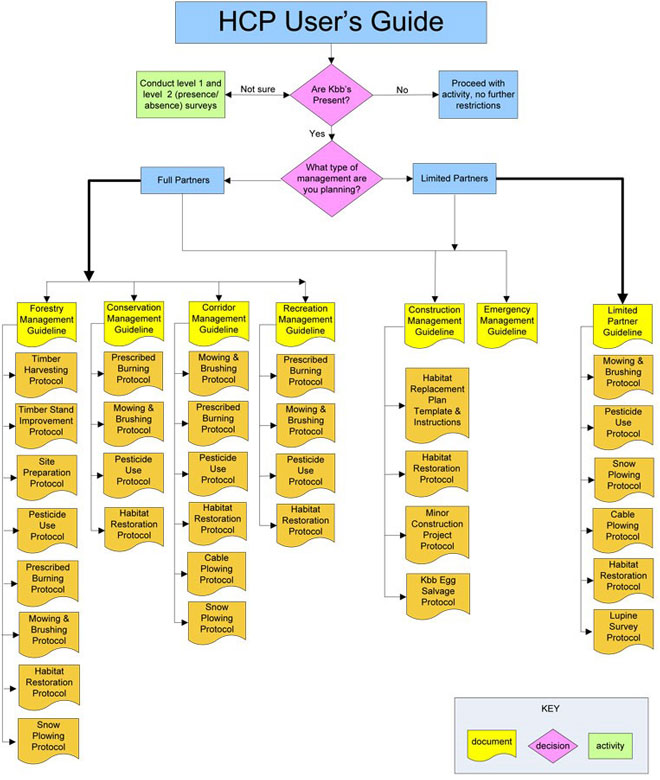
Habitat Conservation Plan documents
Apply for coverage
Application for consideration for inclusion in the Wisconsin statewide Karner blue butterfly HCP
If you have trouble opening, saving or submitting fillable PDF forms in your web browser, see PDF help.One-time permits with a permanent take of habitat will require the completion of a Habitat Replacement Plan Template for Major Construction Projects that can be completed either concurrently with or after the partnership process.
Resources for HCP partners and non-partners
Emergence predictions
The Karner blue butterfly flight for 2026 has ended. Please email any surveys to Karner HCP coordinator and check back in the spring for 2027 flight information.
Karner Blue Butterfly and Wild Lupine Survey Training Request
Survey forms
Reporting of Incidental Take Permit Use [exit DNR]
Lupine Presence/Absence [Download PDF]
Karner Presence/Absence [Download PDF]
Habitat Assessment Form [Download PDF]Common nectar plants