
Wisconsin Hunting Regulations, Fall 2026-Spring 2027
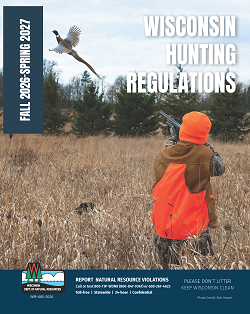
The Fall 2026-Spring 2027 Wisconsin Hunting Regulations are now available for hunters to look through. In addition to this web version of the regulations, a print copy is available at most license agent locations. Both versions contain the same information.
To use the online regulations, you must first choose a Section or click the "View All Regulations" button to see everything. You may then choose a Subsection to narrow your search and then press the View Regulation button to display the regulatory information you selected. If you'd like to see all info related to a section, select the first option ("-") to see everything under that section. You may also press Reset for a brand new search.
Please be aware that hunters are responsible for reading and following all the hunting regulations. Regulations that apply to all species are found within the "General Hunting" and "Licensing Requirements" sections, meanwhile species-specific regulations are found in the respective species sections.
Deer Carcass Transportation Regulations
Deer Carcass Transportation Regulations
Movement of a CWD-positive carcass can be a risk for the introduction and spread of CWD if not disposed of properly. The safest option for disposal is to ensure the waste ends up in a landfill. During the hunting season, deer carcass waste disposal dumpsters are available statewide. Visit the DNR's Carcass Movement, Processing and Disposal webpage for the most current carcass transportation restrictions.
Many states and provinces restrict the importation of cervid carcasses. Hunters should check the regulations of their home state or province, of the state or province in which they will be hunting and of the states or provinces through which they will be traveling. For more information, visit the CWD Alliance website.
Quartering Your Deer
Hunters may divide a deer to facilitate removal of the carcass from the field. Only one deer that has been quartered may be stored or transported at a time prior to registration, but quartered deer can be transported with other intact deer. Non-edible parts of the deer may be left in the field after quartering.