
Body-Grip Traps
Trap-Specific Regulations
No person may:
- Set, place or operate any body-grip trap that is 60 square inches or less:
- On dry land, unless the maximum vertical jaw measurement is 7 ½ inches or less when set. The vertical measurement is taken from the widest points on the trap in the set position (Figure 2).
- As a water set, except when the muskrat or mink season is open in the zone in which you are trapping.
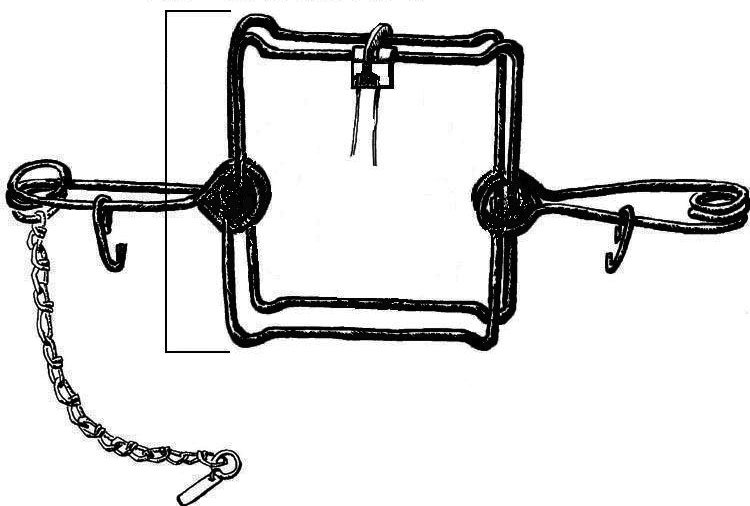
Figure 2. An example of how to measure the vertical height measurement of a trap when set.
- Set, place or operate any body-grip trap greater than 60 square inches in the following locations:
- Within 3 feet of any federal, state or county road right-of-way culvert unless completely submerged in water.
- Within 3 feet of any woven or welded wire fence.
- Within 100 yards of any building devoted to human occupancy without the owner’s consent.
- Set, place or operate any body-grip trap greater than 60 but less than 75 square inches, measured from the widest points on the outside of the jaws (Figure 3) as a:
- Water set, unless at least half of the set trap is located underwater at all times.
- Elevated set, unless the trap is placed at least 5 feet above the surface.*
- Bottom entry enclosure set, unless the entire opening of the enclosure is no more than 7 inches above the surface.
- Baited and/or scented set in or on the ground, unless the trap trigger is within an enclosure with openings no greater than 50 square inches for a 7-inch recess or an opening of 8 inches high by 10 inches wide with a 10-inch minimum recess from the enclosure openings.
Unbaited and/or unscented trail set, unless the trap is within an enclosure that provides openings no greater than 10 inches high and 10 inches wide and is recessed a minimum of 15 inches from the enclosure openings.
*Surface is the first surface that is ground, ice, crusted or packed snow or any other hard material beneath the trap or opening. For the purposes of this section, “enclosure” means any single-unit device that creates a barrier to the trap allowing entry only through designated openings.
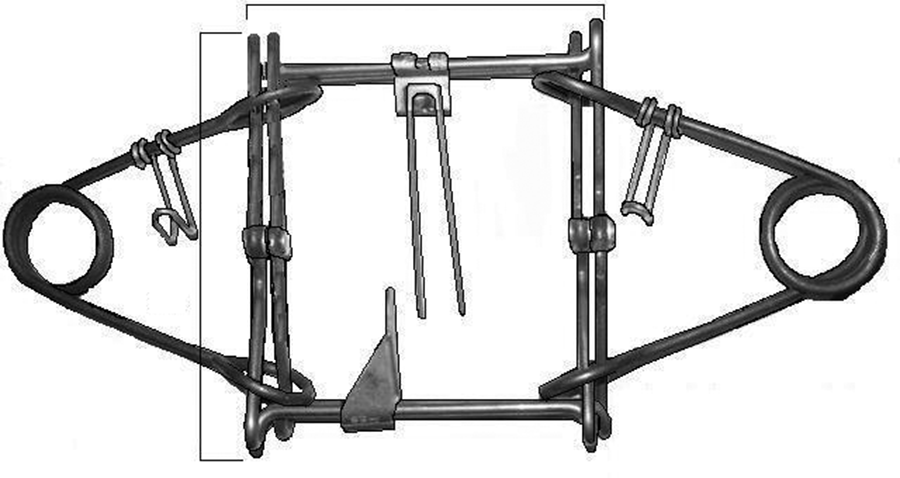
Figure 3. To determine the maximum square inches of an unset trap, multiply the maximum width of the trap jaws (A) by the height of the trap jaws (B). Body-grip trap designs vary.
- Set, place or operate any body-grip trap that is 75 square inches or larger, unless ½ of the trap is located underwater at all times.
| Body-Grip Trap Size | Dry Land | Water |
| Less than or equal to 60 square inches | Legal | Legal |
| Between 60 and 75 square inches | Legal if enclosed or at least 5 feet off the ground | Legal |
| 75 square inches or greater | NOT Legal | Legal |
Square Inches of Commonly Available Round Body-Grip Traps
| Diameter | Total Square Inches |
| 6 | 28 |
| 7 | 38 |
| 8 | 50 |
| 10 | 79 |
| 12 | 113 |
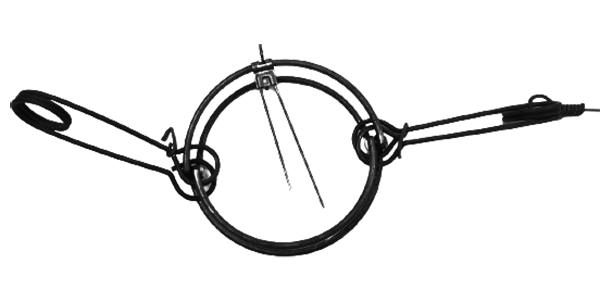
Figure 4. The diameter of a trap is the measurement from one side of the round trap to the other side.